
Thread of Europe 44 – Political Guidelines for the next European Commission 2024-2029

With the European elections in June, the new institutional cycle of the European Union got underway. On 18 July, the new European Parliament meeting in plenary session in Strasbourg confirmed Ursula von der Leyen as President of the Commission. Before the vote, she presented the Political Guidelines for her new term of office. This is […]
The Friuli Venezia Giulia Virtual Museum of Design

Founder Anna Lombardi explains the decision to dedicate an online museum to project culture
In Tagliacozzo, Abruzzo, projects for tourists but not only
Mayor Vincenzo Giovagnorio talks about the projects implemented in Tagliacozzo, in the province of L’Aquila, thanks to European funds
In Lombardia, weaker groups are integrated into the world of work
Matteo Bianchi, from Anci Lombardia, explains how the INLAV Lombardia project works
European Social Fund (ESF+) – Clip of Cohesion #84
Clip of Cohesion #84 – We present some updates on the development of the ESF+, which, with a total budget of EUR 142.7 billion for the period 2021-2027, is the main EU instrument supporting the European pillar of social rights.
In Veroli, Ciociaria, the citizens of tomorrow are being formed
Interview with Professor Tatangelo of IIS Giovanni Sulpicio
The role of European institutions – Clip of Cohesion #83
Clip of Cohesion #83 – Together with our young correspondents, we discover the role and functions of some European institutions, such as the European Council
Europhonica at FRU24 with young journalists from the EU Factor Next project

As part of the activities related to the Festival of University Radio (FRU), organised by RADUNI – Association of University Radio Operators at La Sapienza University of Rome from 16 to 18 May, a podcast was produced focusing on issues at the heart of youth debates and the Interrail travel experience in Europe. For the […]
The results of the 2024 European elections
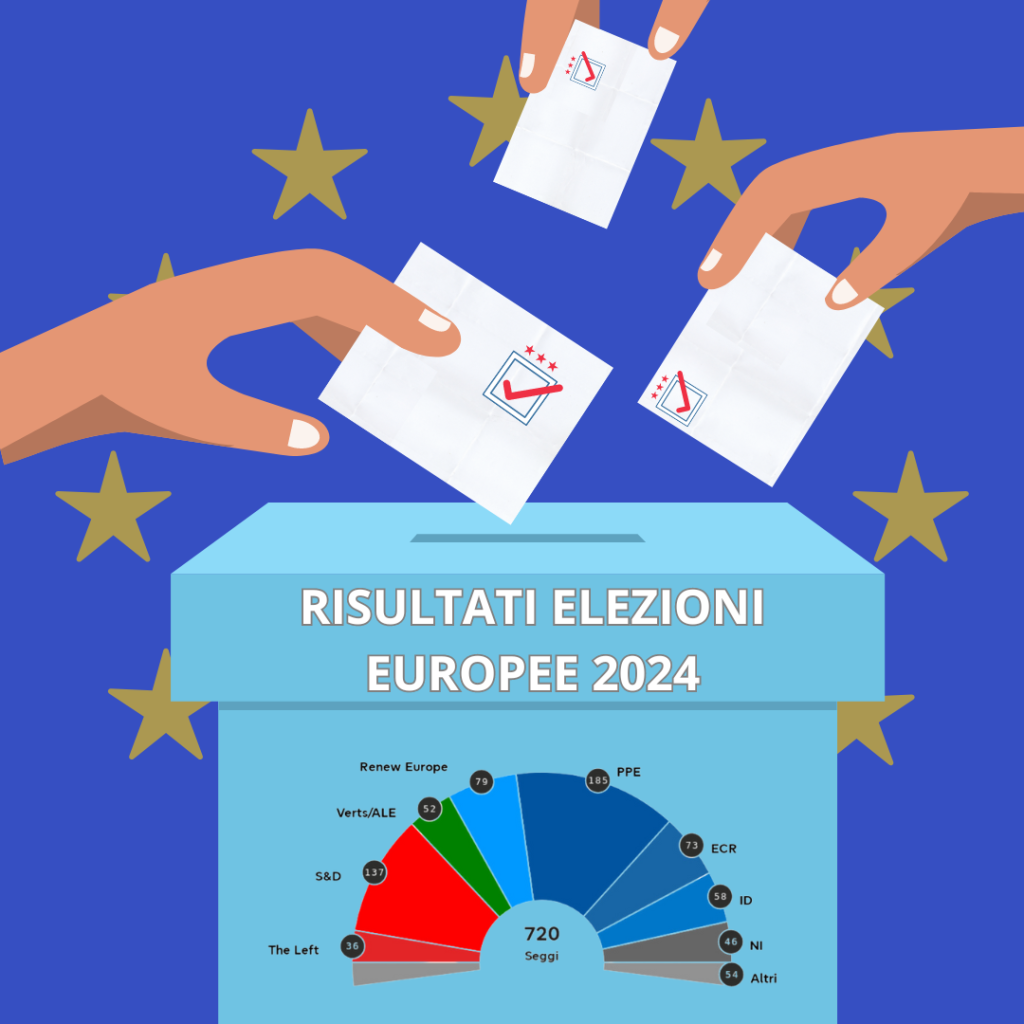
With the European elections on 8 and 9 June, the 9th European legislature officially comes to an end and the path to the definition of the European institutional framework begins. The new European Parliament will be made up of 720 members, with the European People’s Party maintaining its majority and gaining seats, as well as […]
The outcome of the European election vote – Clip of Cohesion #80
Clip of Cohesion #80 – We discover together the set-up of the new European Parliament following the elections on 8 and 9 June. There are many issues to be addressed, especially the climate, the birth rate, and the lack of citizen involvement